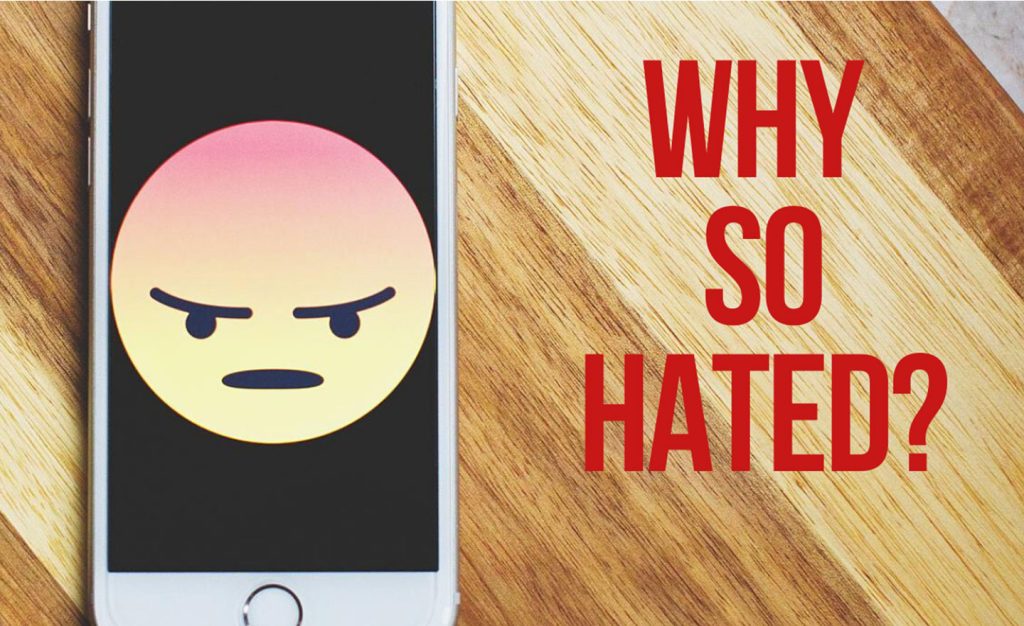
CAPTCHA has been a necessary evil that protected the internet for almost two decades, and at present, over one billion captchas are being solved worldwide every day. When it comes to captcha hate, it all boils down to the friction it causes and its consequential impact on the user experience. It takes about 10 seconds to pass a traditional captcha, and it‘s not unusual for several attempts to be needed, making the process take even longer.
It is generally speaking one of the most hated pieces of user interaction on the web, Aaron Yang, Usability Expert.
The traditional captchas are frustrating for users because they have to go through the captcha solving process multiple times daily, and website owners are not happy because the added friction is killing their conversion rates.
Why do we need captchas anyway?
The captcha is a type of test to distinguish genuine human users from bots (automated computer programs). Without such a filter, spam would take over the online platforms, and the internet ecosystem as we know it today would not exist.
Captchas haven‘t always been so difficult; in fact, they became increasingly harder over time, and there is a good reason for it. The traditional and gamified captchas were based on a one-dimensional logic; Computer programs cannot recognize distorted texts or identify various objects or images. However, as artificial intelligence and OCR(optical character recognition) technology progressed, computer programs got significantly better at passing such tests. As a result, the captcha challenges had to be harder and harder to stop the ever-evolving bot threat. Unfortunately, the first and second-generation captchas can‘t even provide enough security anymore, and they can easily be bypassed by sophisticated bots, which are a more common occurrence in recent years.
Learn about the three generations of CAPTCHA.
Are We Doomed To Solve Difficult CAPTCHAs?
Luckily no! In the era of user experience, the friction caused by first and second-generation captchas is well recognized, and there is a new generation of captcha that solves the bot problem with minimum to no user friction.
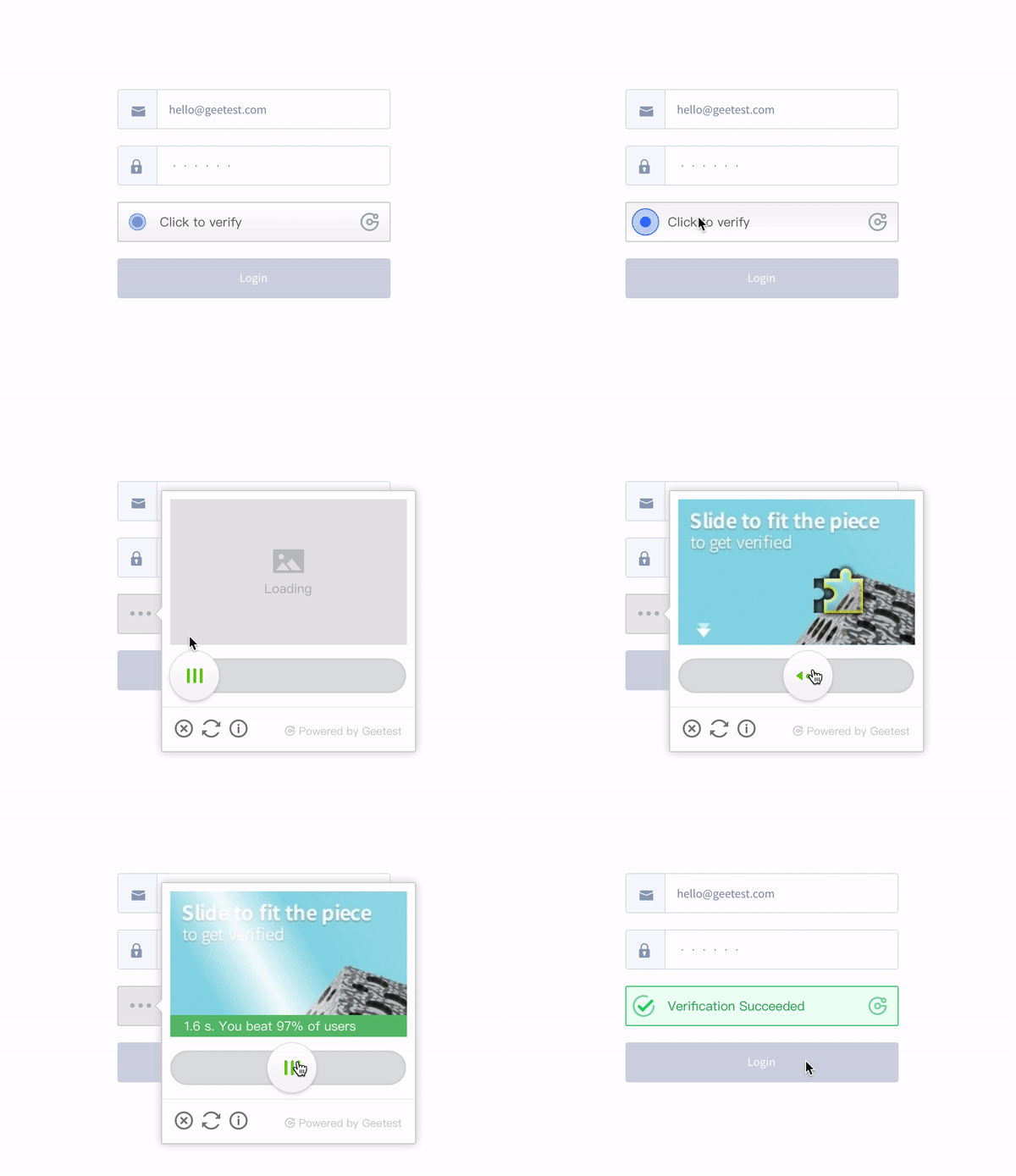
No-knowledge type captchas changed the logic of previous generations by introducing advanced risk analysis into the equation. Third-generation no-knowledge captchas analyze the biological fingerprint and the environmental information of the users to distinguish genuine humans from malicious bot programs. The result is a much smoother user experience and vastly improved security.
Regrettably, not all third-generation captchas can meet high security and user experience standards. Moreover, to avoid false positives, advanced captcha solutions still have to utilize challenge responses, where the key to perfection lies within the balance between security and usability. Curious what a perfect balance would look like?
Experience the world‘s leading advanced captcha solution.